What to Know Before Scheduling a Low-E Glass Replacement
If you own a home with double-pane windows that were installed in the last twenty years, there is a good chance they contain Low-E coating. This thin, nearly invisible layer of metal oxide is applied to one of the glass surfaces inside the insulated glass unit. Its job is to reflect heat back into the room during winter and keep solar radiation out during summer. When that coating degrades or when the seal around the glass fails, you may start noticing foggy glass repair becoming necessary. That is often the moment homeowners begin researching low-e glass replacement.
I have worked on window issues across DFW home services for years, and I can tell you that replacement of a Low-E unit is not the same as swapping out a single pane of glass from an old wood-frame window. The assembly is more complex, the materials cost more, and the performance depends on getting the details right. Let me walk through what you should understand before making that call.
How Low-E Coating Works Inside an Insulated Glass Unit
A modern double-pane window is really two pieces of glass separated by a spacer and sealed around the edges. The space between them is often filled with argon gas fill, which improves thermal insulation compared to plain air. The Low-E coating is applied to one of the inner surfaces, usually the one facing the gap. It works by reflecting long-wave infrared radiation, which is the heat your furniture and floors emit after absorbing sunlight. At the same time, it allows visible light to pass through.
The coating can be applied in two main ways: hard coat and soft coat. Hard-coat Low-E is more durable and can be used in single-pane applications, but it does not perform as well in terms of solar heat gain coefficient reduction. Soft-coat Low-E is more common in residential double-pane windows because it offers better insulation and UV protection. However, soft-coat is more sensitive to moisture and physical contact, which is why it is always placed on the inside of the sealed unit. If you are having a low-e glass replacement done, you need to know which type your windows originally had. Mixing them up changes the thermal performance and could affect your Energy Star rating on a replacement.

Why Window Seal Failure Leads to Replacement
The most common reason for replacing a Low-E unit is window seal failure. Over time, the sealant around the edges of the insulated glass unit can break down due to temperature cycling, UV exposure, or poor installation. When moisture gets inside the gap, the desiccant in the spacer becomes saturated and cannot absorb any more water vapor. That is when you see condensation between the panes, often looking like a milky film or actual droplets. That fogging is not just ugly; it means the Low-E coating is being exposed to moisture and can start to oxidize, which ruins its reflective properties.
I have seen cases where homeowners tried to clean the inside of the glass through a vent or a small hole. That does not work. Once the seal is broken, the argon gas escapes and the insulating value drops. The only proper fix is to replace the whole insulated glass unit. That is where a company like Glass Doctor or a local provider such as Apex Windows comes in, though you should always check that they use the correct spacer and gas fill for your specific window brand.
Matching the Right Glass Type for Your Windows
Not all Low-E glass is the same. The coating can be tuned to let in more or less solar heat depending on your climate. In DFW, where summers are long and hot, a lower solar heat gain coefficient is usually better. That means you want a coating that reflects more of the sun's energy before it enters the home. Some manufacturers produce triple-silver or even quadruple-silver coatings that offer superior performance but come at a higher price. If you are replacing a unit from a brand like Milgard or Pella, you may need to order custom glass panels that match the original specifications.
There is also the question of tempered glass versus annealed glass. Tempered glass is required by building codes for certain windows, especially those near doors, in bathrooms, or at certain heights. It is stronger and breaks into small, blunt pieces instead of sharp shards. But tempered glass cannot be cut or modified after it is made, so your replacement must be ordered to the exact dimensions. That is another reason why low-e glass replacement is not a do-it-yourself project. You need a supplier who can measure accurately and order the correct tempered Low-E unit from a fabricator. A mistake in measurement means a several-week wait and a wasted unit.
Argon Gas Fill and Its Role in Performance
Argon is an inert gas that is denser than air, so it slows down heat transfer through the window. In a typical double-pane window with Low-E coating, the combination of the coating and the argon gas fill can double the insulating value compared to an uncoated air-filled unit. But if the seal fails, the argon leaks out and is replaced by ordinary air. That is why any low-e glass replacement should include a new argon fill and a fresh seal. Some installers offer krypton gas as an upgrade, but that is usually only worth it for very thin gaps or high-performance windows. For most residential applications, argon is the practical choice.
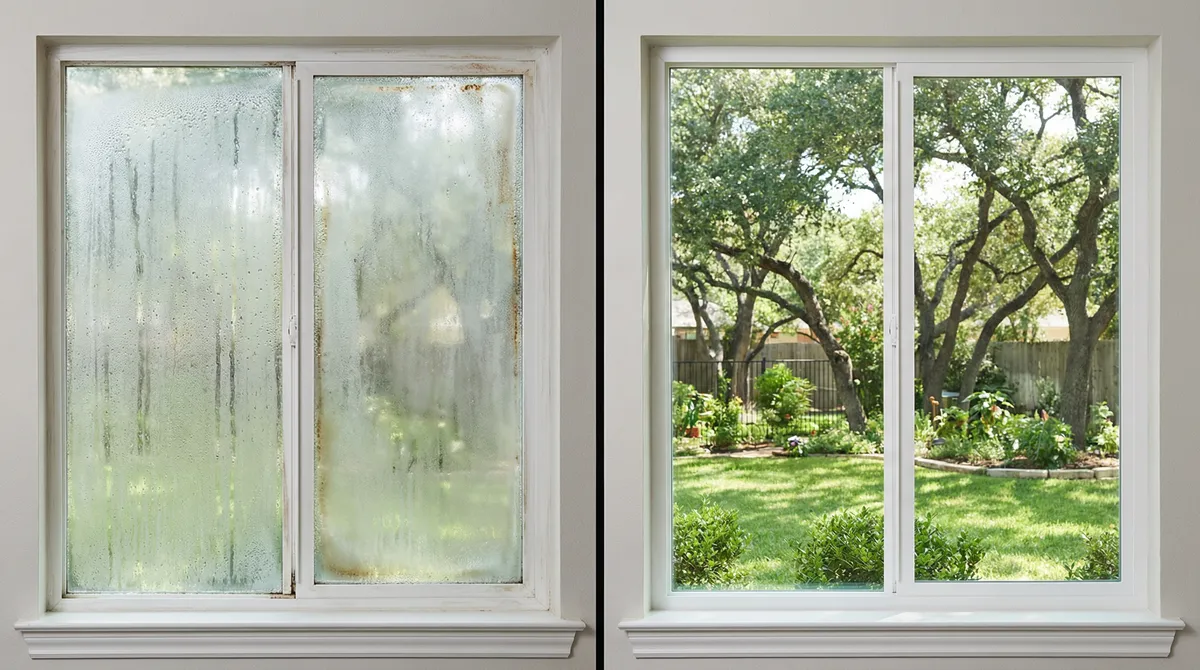
One thing I have learned over the years is that the spacer material matters too. Old aluminum spacers conduct heat, which creates a cold edge around the glass and can lead to window condensation in winter. Modern warm-edge spacers, made from foam or reinforced plastic, reduce that heat loss. When you order a replacement unit, ask if they use a warm-edge spacer. It is a small detail that makes a noticeable difference in comfort near the window.
Warranties and What They Cover
A quality glass replacement warranty should cover seal failure and fogging for at least ten years, and sometimes twenty. But read the fine print. Many warranties cover the unit itself but not the labor to install it. If a sealed unit fails after five years, you may get a free replacement glass but still have to pay for the service call. Others prorate the coverage, meaning you pay a percentage of the cost based on how old the unit is. I always recommend asking for the warranty terms in writing before you agree to any work. Reputable companies like Apex Windows offer clear terms and stand behind their installations.
Also, if you are replacing a unit under a transferable warranty from a previous owner, make sure the paperwork has been passed along. Without proof of purchase or installation, the manufacturer may not honor the claim. That is one reason to keep all documentation for window replacements, even if you plan to sell the house.
When to Replace Versus Repair
There are situations where foggy glass repair is not enough. If the Low-E coating is visibly peeling or has a blotchy appearance, the unit needs to be replaced. No amount of cleaning or resealing will restore the coating. Similarly, if the frame itself is rotting or the sash is warped, you may be better off replacing the entire window assembly, not just the glass. That is a bigger job, but it also gives you a chance to upgrade to a more efficient product with better UV protection and thermal insulation.
On the other hand, if the frame is sound and only one or two units are fogged, a low-e glass replacement makes sense. You keep the existing frame and trim, which saves money and avoids disturbing the siding or interior drywall. The labor is less invasive, and you get the same look and performance as the original windows.

Final Thoughts on Planning Your Replacement
If you are in the DFW area and dealing with foggy windows, start by identifying the brand and age of your windows. Check for labels on the spacer or the frame. If you cannot find them, a local window specialist can often identify the manufacturer by the design. Once you know the brand, you can order a direct replacement insulated glass unit with the correct Low-E coating and argon gas fill. Always get a free estimate from a licensed contractor who has experience with that brand.
Low-E glass replacement is not something you want to rush. The cost is significant, and the performance of your windows affects your energy bills and comfort for years. Take the time to understand what is inside your current windows and what you want from the new ones. That knowledge will help you ask the right questions and get a result that actually solves the problem.